The First 3 Seconds
How Viewers Judge a TikTok Video
TikTok is not a search engine. It’s a rapid-decision environment.
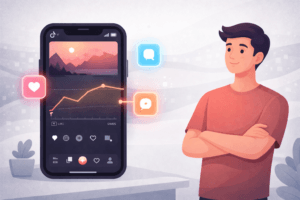
When a video appears on someone’s For You page, several things happen instantly:
The viewer notices the thumbnail frame
They glance at text overlays
They subconsciously register numbers (likes, comments)
They decide whether the video feels “worth their time”
This entire process happens before watching.
TikTok users don’t consciously think, “I will judge this content now.” Instead, their brain uses shortcuts to decide whether the video deserves attention.
Likes are one of those shortcuts.
Likes as a Trust Shortcut on Social Platforms
Humans are wired to look for signals of approval.
In psychology, this is called heuristic processing — using visible cues to make fast decisions when time or attention is limited.
On TikTok, likes serve as a credibility signal:
If others liked this, it’s probably not bad
If nobody liked this, maybe it’s not worth watching
If many people liked this, it feels safer to engage
This doesn’t mean likes guarantee quality. It means likes lower the perceived risk of watching.
Followers vs Likes
Two Different Types of Trust
Creators often confuse these two metrics.
They’re related, but they work differently.
Followers = Profile-Level Trust
Followers answer the question:
“Is this creator worth following?”
Likes = Content-Level Trust
Likes answer the question:
“Is this video worth watching?”
A creator can have:
Low followers but strong likes → content trust
High followers but weak likes → declining relevance
For viewers scrolling TikTok, likes matter more than followers in the moment of decision.
Crowd Psychology on TikTok
Why People Follow the Crowd
TikTok behavior follows classic crowd psychology.
When people see engagement, they assume:
Someone else already vetted this content
The video passed a basic quality threshold
Watching won’t waste their time
This is known as the bandwagon effect.
People don’t want to be first. They want to join something that already feels validated.
Likes create that feeling.
What Happens When a Video Has Too Few Likes
When a video shows very low or zero likes, several things occur:
Viewers hesitate
Trust drops instantly
Even good hooks feel less convincing
Scroll behavior increases
This is sometimes called the empty-room effect — content feels less appealing when it looks ignored, even if it’s objectively good.
Creators often misinterpret this as “bad content,” when it’s actually a perception issue.
Why Early Likes Matter More Than Late Likes
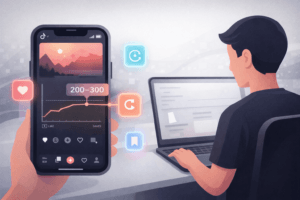
Timing matters more than volume.
Early likes:
Shape first impressions
Influence how future viewers perceive the video
Reduce initial skepticism
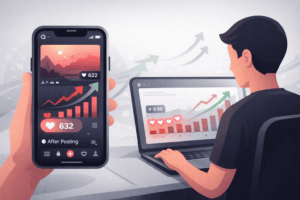
Late likes help engagement totals but don’t fix first impressions.
This is why creators focus on the early phase of a video’s lifecycle — when perception is formed.
Likes Do Not Trigger the Algorithm
(But They Influence Humans)
A critical clarification:
Likes do not directly push videos viral.
TikTok’s algorithm prioritizes:
Watch time
Retention
Rewatches
Session duration
Likes influence people, not the algorithm.
But people influence the algorithm.
If viewers hesitate less and watch more, retention improves — and that affects distribution.
Likes are an indirect performance amplifier, not a hack.
How Creators Use Likes to Reduce Scroll Resistance
Strategic creators don’t use likes to fake success.
They use likes to:
Support strong hooks
Reduce early hesitation
Improve perceived credibility
Match visual quality with social signals
Common scenarios include:
New accounts with good content
Relaunched niches
Competitive topics
Paid traffic campaigns
Brand credibility resets
The goal is not deception — it’s alignment.
When Likes Work — and When They Don’t
Likes work when:
Content quality is already solid
Hooks are clear
Visuals are clean
Posting is consistent
Likes don’t work when:
Content is confusing
Videos lack structure
No value is delivered
Watch time collapses immediately
Likes support momentum.
They don’t create it.
Common Misunderstandings About TikTok Likes
“Likes make videos go viral”
No. Watch time does.
“Likes tell TikTok to push content”
No. Retention signals do.
“Buying likes ruins accounts”
Only when done aggressively or unrealistically.
The real risk isn’t likes — it’s misuse.
Likes as Part of a Balanced Engagement Strategy
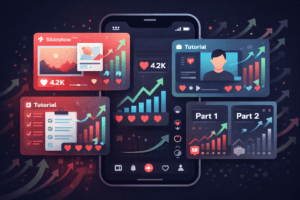
Smart creators treat likes as one piece of a larger system:
Content quality
Posting rhythm
Audience targeting
Visual consistency
Engagement signals
Likes help content get a chance.
The content itself decides what happens next.
Creators who understand this difference avoid frustration — and unrealistic expectations.
Conclusion
Likes Influence Trust, Not Truth
TikTok likes don’t tell viewers whether content is true, useful, or valuable.
They tell viewers whether content feels safe to engage with.
In a fast-scrolling environment, that feeling matters.
Used strategically, likes reduce hesitation, support credibility, and help good content perform closer to its potential — without replacing effort, creativity, or consistency.
Creators who want to understand how likes are used strategically often explore TikTok likes services as part of a broader engagement approach.