What Actually Happens After a TikTok Video Goes Viral
Virality on TikTok is rarely a straight line.
Most viral videos follow a recognizable pattern:
Initial acceleration
TikTok pushes the video to a wider audience based on early performance.Rapid exposure phase
Views increase quickly as the video enters broader recommendation pools.Evaluation and re-testing
TikTok measures how new viewers respond.Stabilization or decay
The platform either continues distribution—or gradually reduces it.
This means virality isn’t a single event. It’s a series of tests.
Many creators assume that once a video goes viral, it will continue rising naturally. In reality, TikTok constantly reassesses whether a video deserves further reach.
That reassessment depends on engagement balance.
Why Viral Videos Often Drop Faster Than Expected
One of the most misunderstood aspects of TikTok virality is engagement imbalance.
A video can have:
Hundreds of thousands of views
But comparatively few likes
And declining interaction over time
From a human perspective, this might seem normal. People scroll fast. Not everyone taps like.
From an algorithmic perspective, however, this imbalance can raise questions.
TikTok evaluates:
How many viewers stop to engage
Whether engagement scales proportionally with reach
If interest sustains across multiple audience segments
When views continue rising but likes slow down significantly, TikTok may interpret this as passive consumption rather than active interest.
That doesn’t mean the video is “bad.”
It means TikTok becomes more cautious about continuing distribution.
This is where likes as a reinforcement signal come into play.
The Role of Likes in Viral Reinforcement
Likes serve a different purpose than views.
Views indicate exposure
Likes indicate confirmation
A like tells TikTok:
“This viewer didn’t just watch—they approved.”
When a video is already receiving strong visibility, likes can help validate continued exposure, especially when new viewers encounter the content for the first time.
This is why creators don’t use likes to cause virality—but to support momentum once it already exists.
Importantly:
Likes don’t guarantee continued reach
Likes don’t override content quality
Likes don’t replace retention or watch time
They simply reinforce confidence in a video that is already performing.
How Experienced Creators Think About Likes Differently
New creators often view likes as a growth shortcut.
Experienced creators view likes as a balancing mechanism.
They understand that:
Engagement ratios matter more than raw numbers
Sudden spikes can look unnatural
Overcorrection is riskier than under-correction
Instead of asking:
“How many likes can I add?”
They ask:
“Does my engagement match my reach?”
This shift in thinking is what separates reckless tactics from controlled reinforcement.
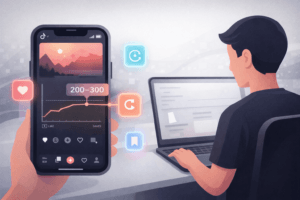
How Creators Time Likes on Viral Posts
Timing is one of the most overlooked aspects of engagement strategy.
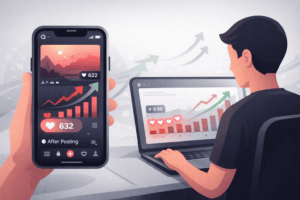
Adding likes too early—especially during the initial viral spike—can distort natural engagement patterns.
Most experienced creators wait until:
The video has already peaked
Views continue rising, but interaction slows
TikTok begins re-testing the video with new viewers
This window often occurs 6–24 hours after the initial surge, depending on the niche and audience size.
The goal isn’t to inflate numbers—it’s to smooth the engagement curve so the video doesn’t appear to stall abruptly.
Why Sudden Engagement Spikes Can Hurt Viral Content
One of the biggest mistakes creators make is flooding a video with likes all at once.
This can create:
Engagement velocity mismatches
Suspicious activity patterns
Artificial-looking ratios
TikTok’s systems are designed to detect unnatural behavior, especially when engagement changes too quickly compared to view growth.
That’s why experienced creators prioritize:
Gradual adjustments
Realistic pacing
Engagement consistency
Less is often safer than more.
When Likes Help vs When They Hurt Viral Posts
When Likes Can Help
Likes tend to be useful when:
A video has already proven its appeal
Views are high but engagement lags slightly
The creator wants to maintain momentum
The audience is broadening beyond the initial niche
In these situations, likes act as social reassurance for new viewers encountering the content later.
When Likes Can Hurt
Likes become risky when:
Added immediately after posting
Added in large, sudden quantities
Used on low-retention content
Used repeatedly across many videos
In these cases, engagement may look forced rather than earned.
The difference isn’t the action—it’s the context.
How This Fits Into a Sustainable TikTok Strategy
Creators who last on TikTok don’t rely on any single signal.
They focus on:
Strong hooks
Clear storytelling
Consistent posting
Audience understanding
Likes are used sparingly—as support, not strategy.
This mindset ensures that engagement decisions never override content quality or audience trust.
Common Myths About Likes and Viral Content
“Likes Make Videos Go Viral”
False. Likes support videos that are already performing.
“More Likes Always Mean More Reach”
False. Engagement quality matters more than quantity.
“Every Viral Video Needs Likes”
False. Many viral videos sustain naturally without intervention.
“TikTok Punishes All Engagement Adjustments”
False. TikTok evaluates patterns—not isolated actions.
Final Takeaway for Creators
Viral success on TikTok isn’t about chasing numbers—it’s about maintaining balance.
Likes are one of many signals TikTok considers, and when used carefully, they can help stabilize momentum rather than disrupt it.
The most important rule is restraint.
Creators who understand this don’t ask how to push the algorithm.
They ask how to work within it.
And that’s what keeps their reach alive long after the viral moment fades.