Why Detection Concerns Exist (And Why Most Are Misunderstood)
Concerns about detection usually come from a mix of outdated information, anecdotal stories, and misunderstandings about how Facebook enforces its policies. Many page owners assume that any artificial growth is automatically flagged, but that assumption does not reflect how Facebook’s systems operate today.
The Difference Between Manual Reviews and Automated Signals
Facebook relies primarily on automated systems to monitor page activity at scale. These systems are designed to identify patterns that suggest coordinated manipulation or policy violations—not individual growth decisions in isolation.
Manual reviews occur far less frequently than most people assume. They are typically triggered only after automated systems detect multiple risk signals or when a page enters a higher-scrutiny environment, such as ad verification or monetization review.
Why Follower Count Alone Is No Longer a Trigger
In earlier years, sudden follower spikes were more likely to attract attention. In 2026, follower count by itself is largely meaningless. Facebook understands that pages grow in many ways, including viral content, paid promotion, influencer exposure, and cross-platform traffic.
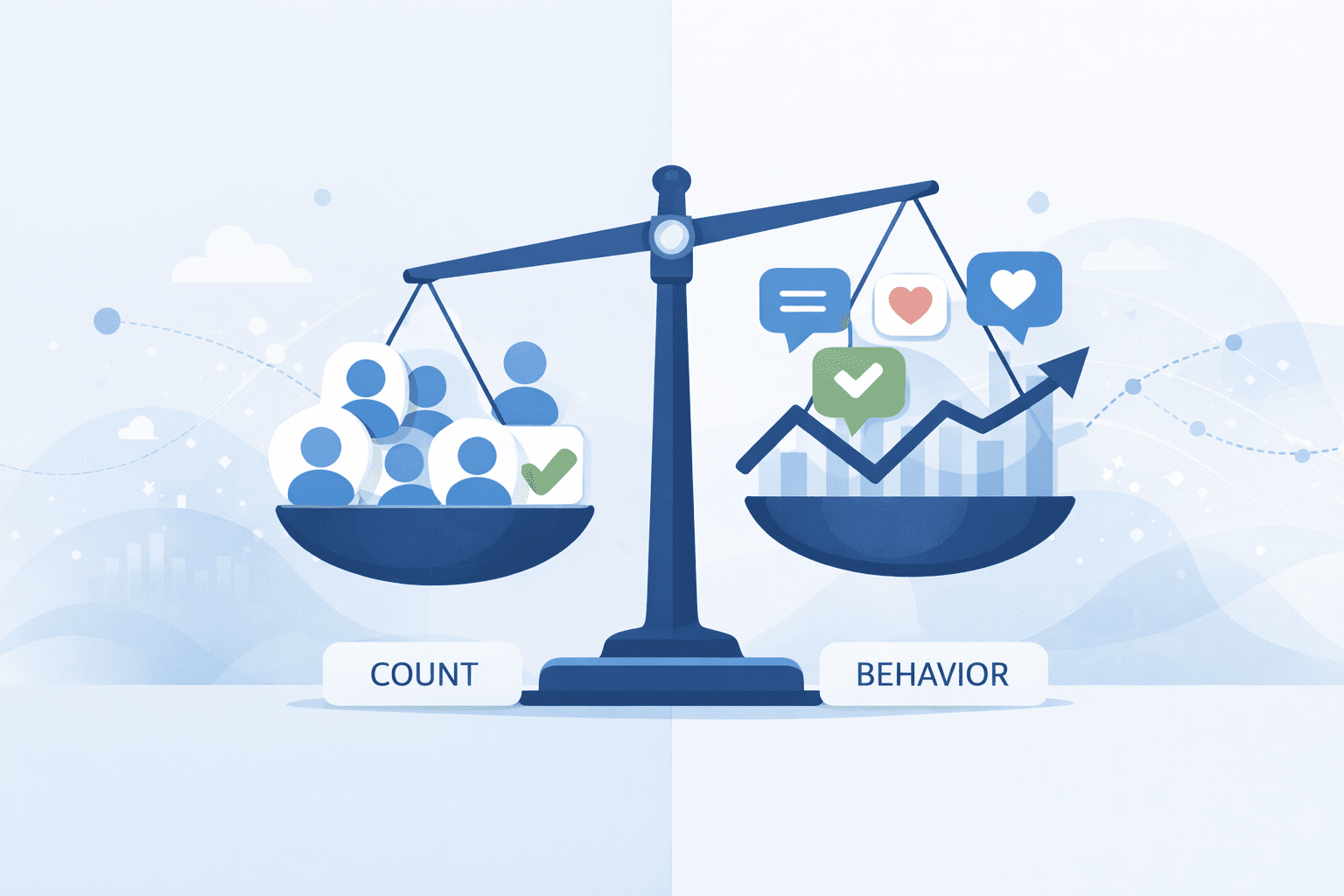
What matters is not the number of followers added, but whether page behavior remains consistent and credible relative to that growth. This distinction is critical when evaluating Facebook page follower options and safety and understanding how credibility is assessed.
Behavioral Signals Facebook Actually Monitors
Instead of focusing on follower sources, Facebook evaluates how pages behave over time. Detection systems look for patterns that suggest manipulation, automation abuse, or coordinated inauthentic behavior.
Sudden Engagement-to-Follower Mismatches
One of the strongest signals Facebook monitors is the relationship between engagement and audience size. A large increase in followers combined with zero posting activity or abnormal engagement ratios can indicate low-quality growth.
However, mismatches alone are not violations. New pages, inactive pages, or pages in transition often experience temporary imbalances. What matters is whether engagement behavior stabilizes naturally.
Time-Based Anomalies in Page Activity
Facebook systems also evaluate timing patterns. Rapid follower changes combined with erratic posting schedules, sudden bursts of comments, or overnight activity spikes can raise internal confidence scores.
Gradual changes, even if externally sourced, tend to blend into normal variance and do not automatically attract scrutiny.
Network-Level Behavior Patterns
Facebook looks beyond individual pages to identify networks of coordinated behavior. Pages that share identical engagement sources, identical activity timing, or repeated cross-interaction with known manipulation clusters are more likely to be reviewed.
This is why quality and diversity of growth matter far more than origin labels.
What Does Not Trigger Detection in 2026
Despite widespread fear, many common growth behaviors do not trigger detection or enforcement.
Stable Follower Growth Patterns
Pages that experience steady increases—whether from organic discovery, promotions, or external services—rarely face issues when activity remains consistent.
Facebook expects growth variance. Stability over time matters more than the source of individual followers.
Normal Page Publishing Behavior
Pages that continue posting normally, responding to comments, and maintaining content quality generally remain within acceptable behavioral ranges.
Follower growth without behavioral disruption is not considered a risk factor.
Mixed Organic and Paid Growth
Most real pages grow through mixed methods: organic reach, ads, collaborations, and off-platform traffic. Facebook systems are designed around this reality.
As long as growth does not coincide with other policy-related violations, it is not inherently suspicious.
This is why many pages successfully grow using safe Facebook page follower services without experiencing reviews or penalties.
When Facebook Reviews Pages Manually
Manual reviews are the exception, not the norm. They typically occur only under specific circumstances.
Ad Account Associations
Pages connected to advertising accounts undergoing review may be evaluated more closely. This is especially true during identity verification, payment disputes, or repeated ad disapprovals.
Monetization and Verification Requests
Applying for monetization features or page verification can temporarily increase scrutiny. Facebook wants to ensure pages meet authenticity and policy standards before granting additional privileges.
Policy Violation Cascades
Pages already flagged for content violations, copyright issues, or deceptive practices may be reviewed more thoroughly across all activity, including growth patterns.
In these cases, follower growth is rarely the root cause—it simply becomes part of a broader assessment.
Detection Myths That Refuse to Die
Despite changes in Facebook’s systems, several myths continue to circulate.
“Instant Bans”
There is no automated system that instantly bans pages for follower growth alone. Enforcement actions are typically progressive and tied to multiple violations.
“Shadow Flags for Buying Followers”
Facebook does not maintain hidden flags that permanently suppress pages based solely on growth methods. Visibility changes are almost always tied to engagement performance or content relevance.
For a deeper breakdown of enforcement logic, see Meta’s official community standards and how they are applied in practice.
Practical Takeaways for Safe Growth
The safest way to approach follower growth in 2026 is to think in terms of credibility, not shortcuts.
- Maintain consistent posting behavior
- Allow engagement to normalize naturally
- Avoid sudden behavioral changes alongside growth
- Focus on page quality, not just numbers
Alternative Growth Paths
Not every page needs accelerated follower growth. In some cases, focusing on content refinement, audience targeting, or engagement quality may produce better long-term outcomes.
If you want a realistic perspective on outcomes over time, explore what actually happens to pages over time after different growth approaches.
Ultimately, Facebook does not punish growth—it evaluates behavior. Pages that act like real brands, publish responsibly, and engage authentically tend to remain safe regardless of how their audience grows.