What Happens in the First Hour After You Post
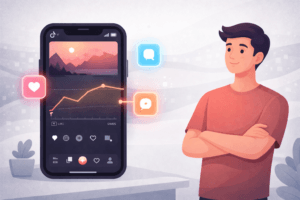
When a video is published on TikTok, it does not instantly reach a massive audience. Instead, the platform follows a testing-based distribution model.
During the first hour, TikTok typically:
Shows the video to a small sample of users
Measures how those users behave
Looks for signals that indicate interest or rejection
This testing phase is short but decisive. TikTok evaluates not only whether engagement exists, but how quickly it appears. A video that receives interaction early is treated differently from one that gains the same interaction later.
Key signals TikTok observes during this window include:
Watch behavior (do viewers stay or swipe?)
Interaction speed (how fast likes appear)
Consistency (steady engagement vs sudden bursts)
The goal is not perfection, but confirmation. TikTok is essentially asking: Does this content deserve a second round of exposure?
Learn more about user retention and watch time guidelines.
Why Likes Act as a Momentum Signal
(Not Just a Vanity Metric)
Likes differ from other engagement metrics in one important way: they require a deliberate action. A view can happen accidentally, but a like usually means the viewer made a conscious choice.
From an algorithmic perspective, this makes likes useful as a momentum indicator. When likes appear early, they suggest that viewers are not only consuming the content, but responding positively to it.
However, likes do not work in isolation. They function as part of a pattern:
A video with early watch time but no likes may be treated cautiously
A video with early likes but poor retention may stall
A video with both early likes and reasonable retention signals confidence
In other words, likes reinforce signals that are already present. They do not override weak performance, but they can strengthen a positive trajectory.
Engagement Velocity
Why Speed Matters More Than Volume
One of the most common misconceptions among creators is that total likes matter more than when those likes occur. In reality, engagement velocity often outweighs raw numbers in the early stages.
Engagement velocity refers to:
How quickly interactions appear after posting
Whether engagement is clustered or delayed
How consistent early interactions feel
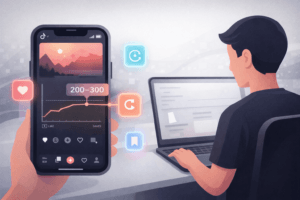
A video that receives 50 likes in the first 20 minutes may perform better than one that receives 200 likes over several hours. This is because early interaction helps TikTok confirm relevance while the testing phase is still active.
Once the initial evaluation window closes, late engagement has less influence on distribution decisions.
How Early Likes Influence Viewer Behavior
Likes affect more than just the algorithm. They also shape how users perceive content at a glance.
When viewers scroll through TikTok, they make rapid judgments:
Is this worth watching?
Does this look credible?
Have others responded to it?
Visible likes act as a social shortcut. Even subconsciously, viewers associate higher like counts with validation. This can influence:
Whether they pause to watch
How long they stay
Whether they engage further
This effect does not guarantee success, but it can reduce friction. A video that looks socially validated has a better chance of being evaluated on its content rather than dismissed instantly.
The Difference Between Organic Likes and Supported Likes
Not all likes are equal in their impact, but their timing and consistency matter more than their source.
From TikTok’s perspective, the platform does not distinguish between how a like is generated — it evaluates patterns:
Do likes appear gradually?
Are they aligned with views?
Do they follow realistic behavior curves?
When likes appear naturally and align with viewing behavior, they reinforce momentum. When they appear erratically or in isolation, they lose influence.
This is why creators who understand engagement mechanics focus less on volume and more on alignment — ensuring that likes support content that is already showing signs of interest.
When Extra Likes Help
(And When They Don’t)
Likes can be effective in specific scenarios, but they are not universally beneficial.
Likes tend to help when:
The opening seconds hold attention
The video has a clear hook
Early viewers are already interacting
In these cases, likes amplify a positive signal that TikTok is already detecting.
Likes tend to fail when:
Viewers swipe away immediately
The content lacks clarity or relevance
Engagement feels disconnected from views
In these situations, likes cannot compensate for weak fundamentals. They may even be ignored entirely by the system.
Timing Mistakes That Kill Engagement Velocity
Many creators unintentionally reduce the effectiveness of likes by misunderstanding timing.
Common mistakes include:
Adding likes hours after posting, once testing has slowed
Spreading engagement too thin over time
Attempting to revive content that has already been deprioritized
TikTok prioritizes early confirmation, not late correction. Engagement that arrives too late rarely influences redistribution decisions.
Understanding this helps creators avoid wasting effort on videos that have already passed their evaluation window.
How Creators Use Likes to Support Early Momentum
Creators who use likes strategically do not rely on them as a growth hack. Instead, they use them as a support mechanism.
Common use cases include:
Reinforcing videos that already show promise
Supporting formats that rely on credibility (tutorials, explanations)
Stabilizing engagement during the testing phase
This approach treats likes as part of a broader engagement system rather than a standalone solution.
Likes vs Views vs Shares:
Understanding Their Roles
Each engagement signal serves a different purpose:
Views indicate exposure
Likes indicate approval
Shares indicate strong interest
Likes sit in the middle of this hierarchy. They do not guarantee virality, but they help TikTok confirm that viewers are responding positively.
Understanding this balance helps creators decide where to focus their effort depending on the goal of a specific post.
Where TikTok Likes Fit in a Smart Growth Strategy
Likes are most effective when integrated into a broader strategy that includes:
Clear content positioning
Consistent posting
Strong opening hooks
Audience awareness
A thoughtful TikTok likes strategy focuses on reinforcing engagement patterns rather than manufacturing them. When likes align with genuine interest, they support distribution instead of distorting it.
Likes Don’t Create Momentum — They Multiply It
The first hour after posting is not about chasing metrics. It is about confirmation.
In 2026, TikTok still evaluates early engagement velocity to decide which content deserves wider exposure. Likes remain one of the signals that help confirm relevance — but only when they align with real viewer behavior.
Used correctly, likes strengthen strong content. Used incorrectly, they do nothing. Understanding that difference allows creators to work with the system rather than against it.